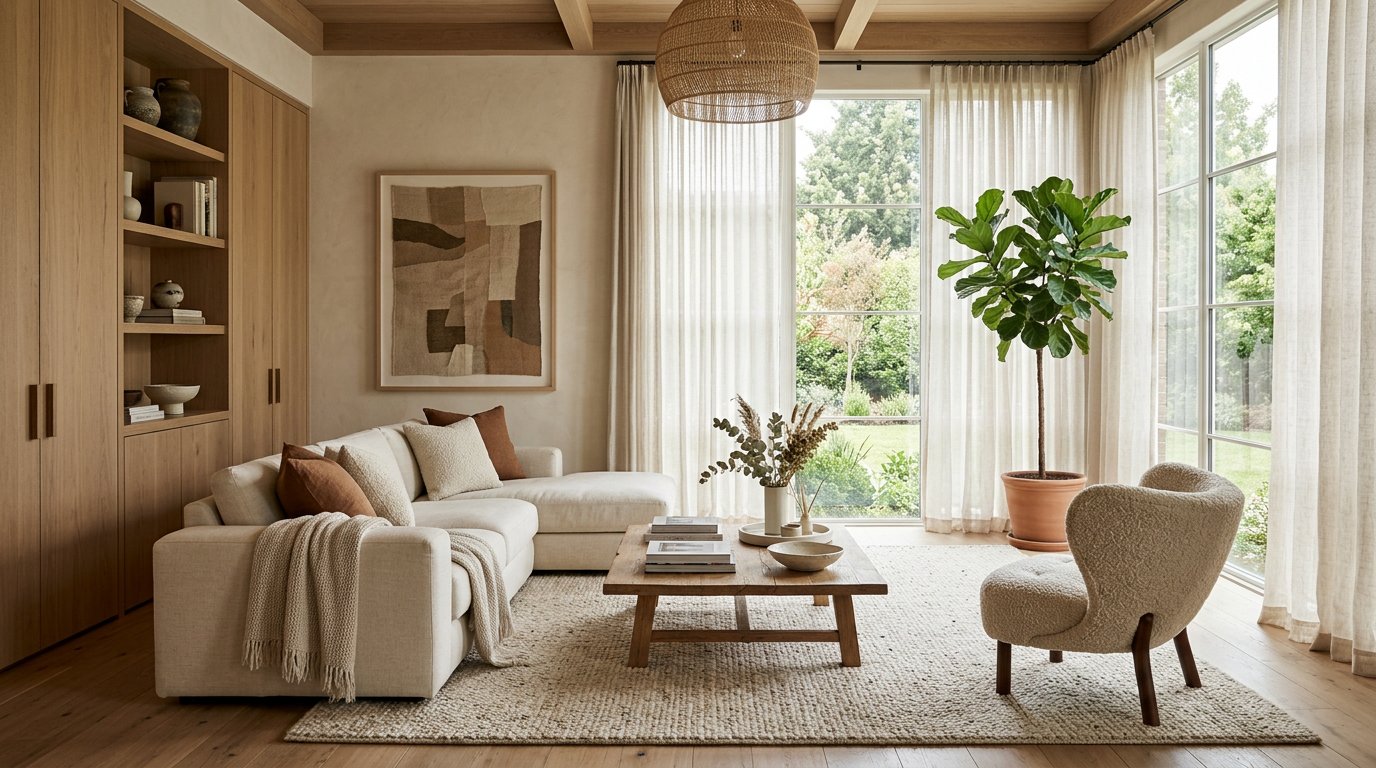
A beautiful renovation is not simply a collection of finishes. It is a plan for ordinary days, changing routines, and the quiet moments that make a house feel like yours. The most successful spaces are designed around real habits from the outset, then dressed in materials that can keep up with life.
Start with the rhythm of your week
Before choosing tiles or paint, notice where the morning rush happens, where everyone naturally gathers, and which rooms feel awkward or underused. Those observations are more valuable than a trend board. They reveal the circulation, storage, light, and durability your home actually needs.
Write down the friction points you want to solve. A dark hallway, a cramped kitchen, or a living room that never feels restful can all point toward a better layout. When the brief begins with daily experience, the design decisions become far easier to make.
Give flexible rooms more than a fixed purpose
Households change. A guest room may become a study, a playroom may become a quiet retreat, and a dining area may need to host work as well as conversation. Flexible rooms are not about trying to predict everything. They are about allowing a space to adapt without another major renovation.
- Choose furniture that can move between functions without feeling temporary.
- Build storage that hides everyday clutter while keeping essentials within reach.
- Use layered lighting so a room can shift from focused work to relaxed evenings.
- Keep permanent finishes calm enough to welcome future changes in style.
The best homes are not frozen in time. They are ready to change with the people who live in them.
Spend where daily life feels it
Not every surface needs the most premium specification. Put investment into the elements you touch and use constantly: a well-planned kitchen work surface, durable flooring in busy zones, comfortable window treatments, hardware that feels solid, and lighting that makes evenings easier. Then simplify elsewhere with honest, well-chosen materials.
Let the plan breathe
Leave a little visual and physical room in your design. Negative space, clear pathways, and uncluttered surfaces give a home the ability to absorb new objects, new interests, and new seasons. A renovation that grows with you should feel generous rather than finished to the last inch.
When you are ready to explore what your home could become, start with a conversation. A clear plan, honest priorities, and the right team can turn a long list of ideas into a renewal that feels effortless.